At a Glance
Best For
Overview
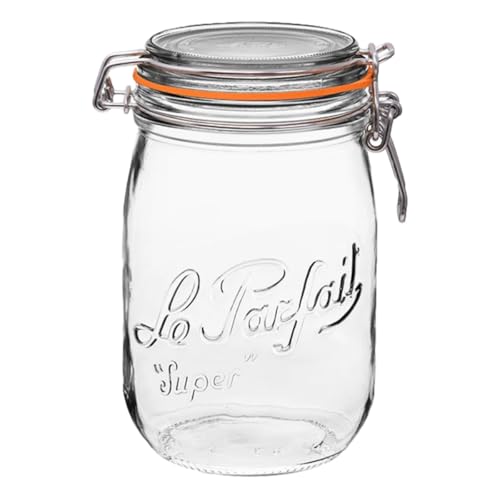
At $20, the Le Parfait Super Jar is the most beautiful object in the budget fermentation tier. French-made glass, an orange rubber gasket, and a stainless bail-top wire closure produce a jar that looks like a kitchen prop from a lifestyle magazine and functions as practical food storage across a wide range of applications.
For fermentation specifically, the Le Parfait is a tool with limitations you should understand before buying. The bail-top closure with rubber gasket creates a static pressure seal — it holds a fixed seal rather than allowing gas to escape dynamically like a water-seal airlock or a dedicated fermentation lid. During active lacto-fermentation, CO2 production builds pressure inside the jar. You must manually open the jar daily to release that pressure, or risk a seal that is working against you rather than for you. This makes the Le Parfait more demanding than mason jar fermentation kits equipped with one-way airlock lids.
Where the Le Parfait genuinely excels is refrigerator fermentation: short brined ferments that spend most of their time at refrigerator temperatures, where CO2 production is minimal and the bail-top closure seals beautifully for storage. French-style brined cornichons, refrigerator garlic pickles, and lacto-fermented herbed mustard all suit the Le Parfait's strengths. The 1-liter capacity is practical for small-batch refrigerator ferments, and the aesthetic is unmatched in this price range.
If you want a dedicated room-temperature lacto-fermentation vessel with no daily burping, look at the Ball Fermentation Kit at $22 or the Masontops system at $38. If you want beautiful glass storage for short ferments and refrigerator use, the Le Parfait delivers more aesthetic quality per dollar than anything in this comparison.
Pros & Cons
Pros
- Made in France since 1930 — the most provenance-credible glass vessel in this category
- Wire bail and rubber gasket seal is airtight and pressure-tolerant, ideal for kombucha secondary ferment
- Clear glass lets you monitor ferment progress without opening the jar
- Wide mouth opening is easy to pack and clean — no narrow-neck bottlenecks
- BPA-free, lead-free, food-safe throughout — no coatings to worry about
Cons
- Gasket seal is not a one-way valve — CO2 pressure buildup requires burping for active lacto-ferments
- 1-liter capacity is small for sauerkraut; better suited to brine pickles and liquid ferments
- Weights not included — you need a separate submersion solution for lacto-fermentation
Le Parfait Super Jar 1L — French Glass Fermentation Jar with Wire Bail Closure
Prices may change · Free shipping with Prime
Design & Build Quality
Le Parfait has manufactured glass preserving jars in France since 1935, and the Super Jar design reflects that heritage. The glass is thick-walled and slightly tinted — a warm, slightly amber transparency that distinguishes it from the cold clarity of Ball mason jars. The proportions are elegant: a wider mid-body that narrows at the neck, with a bail-top wire closure that folds flat when open and snaps down firmly when sealed.
The orange rubber gasket is the functional heart of the closure system. When the wire bail is pressed down and latched, the gasket compresses against the jar rim and creates a seal capable of holding pressure. This is the same mechanism that makes Le Parfait jars reliable for water-bath canning: the gasket holds the vacuum seal as the jar cools after processing. For fermentation purposes, the same static seal means you must manage pressure manually rather than through an airlock.
The glass construction is food-safe, lead-free, and completely non-reactive with acidic brines. Unlike stoneware where glaze composition can be a concern, glass is chemically inert by nature and does not absorb odors or flavors regardless of what you ferment in it. The smooth interior surface is dishwasher-safe and cleans easily even after strongly aromatic batches like garlic or dill.
The bail-top wire is stainless steel and the closure mechanism is robust. Le Parfait jars handle repeated opening and closing over years without gasket or wire degradation, though replacement gaskets are available and relatively inexpensive when needed. The jar itself is effectively indefinitely durable — glass does not age the way plastic lids or rubber seals do.
Performance & Specifications Deep Dive
One liter is the capacity of the Super Jar, placing it on par with the Ball 32oz kit. This is a small-batch vessel: enough for a week or two of refrigerator pickles for two people, or a month of fermented condiment supply for household use. For regular weekly sauerkraut production, one liter per batch requires either frequent batch rotation or a step up to a larger vessel.
The bail-top closure's fermentation performance depends heavily on the temperature at which you ferment. At refrigerator temperatures below 45 degrees Fahrenheit, lacto-fermentation is extremely slow and CO2 production is negligible. The Le Parfait's static seal handles this condition perfectly — the jar seals tightly, contents stay protected from contamination, and you open it only when you want to taste or use the ferment. This is the jar's strongest fermentation use case.
At room temperature fermentation — 65 to 75 degrees Fahrenheit — CO2 production during active fermentation is significant in the first several days. The Le Parfait's rubber gasket holds the seal against this pressure better than a loosely applied mason jar lid, but the sealed system builds pressure that must be released manually every one to two days by flipping up the wire bail momentarily. Failing to burp the jar regularly can produce enough pressure to make opening it messy and, in extreme cases, to push liquid through the gasket.
For the fermentation style where Le Parfait excels — room-temperature fermentation for two to three days followed by refrigerator completion and storage — the daily burping requirement during the short room-temperature phase is manageable. Cornichon-style pickles fermented two to three days at room temperature then refrigerated for two weeks are an ideal application.
Real-World Use Cases
The Le Parfait shines for small-batch refrigerator ferments and short room-temperature lacto-fermentation projects. A food stylist in Chicago uses six Le Parfait Super Jars for photographed food projects specifically because they look beautiful in natural light — and fermented garlic, herbed pickles, and preserved lemons in Le Parfait glass are genuinely camera-ready.
For refrigerator dill pickles — cucumbers in a 2.5% brine with fresh dill, garlic, and black pepper, fermented two to three days at room temperature then refrigerated — the Le Parfait is a near-ideal vessel. The bail-top closure seals tightly for refrigerator storage, the glass lets you monitor pickle color and cloudiness visually, and the aesthetic makes them presentable as a counter display or gift.
For lacto-fermented hot sauce, the Le Parfait's 1-liter capacity is practical. A blended pepper mash at 2 to 3% salt fills a liter jar to two-thirds capacity, ferments three to seven days at room temperature with daily burping, then blends and refrigerates in the same jar. The thick-walled glass handles blending-adjacent impacts better than thin mason jars.
For longer room-temperature ferments like traditional sauerkraut requiring two to four weeks of active fermentation, the daily burping requirement becomes tedious. At this point, a Ball Fermentation Kit at $22 with a one-way airlock lid or a Masontops system at $38 is more practical. The Le Parfait's strengths are in short ferments and refrigerator storage, not extended room-temperature lacto-fermentation.
Who Should Buy This (And Who Shouldn't)
Buy the Le Parfait Super Jar if you want the most beautiful small-batch fermentation vessel available under $25, you ferment short batches that spend most of their time in the refrigerator, or you want attractive glass storage for fermented condiments and refrigerator pickles. It is right for food-focused home cooks who value aesthetics, gift-givers looking for a beautiful artisan kitchen object at low cost, and fermenters who primarily make short-ferment refrigerator pickles and condiments.
Do not buy the Le Parfait as a primary lacto-fermentation vessel for extended room-temperature fermentation. The daily burping requirement during active fermentation is more demanding than a mason jar with a one-way airlock lid at the same price point. If you want hands-off room-temperature fermentation, the Ball kit at $22 provides a more appropriate airlock lid for $2 more. If you want multiple jars for variety fermentation, the Masontops Complete Kit at $38 provides better dedicated fermentation infrastructure.
Do not buy it for bulk sauerkraut production. The 1-liter capacity requires frequent batch rotation to maintain household supply, and the daily burping during active fermentation adds management overhead that a stoneware crock with water-seal lid eliminates completely.
Alternatives Worth Considering
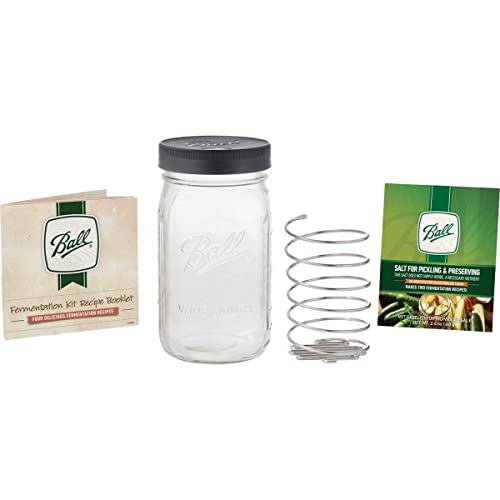
The Ball Fermentation Kit at $22 is the practical alternative for room-temperature lacto-fermentation. At $2 more than the Le Parfait Super Jar, the Ball kit provides a one-way airlock lid that handles CO2 release automatically without daily burping. The spring weight keeps vegetables submerged without manual management. The Ball jar is less aesthetically refined than Le Parfait glass, but the fermentation system is more appropriate for extended room-temperature lacto-fermentation. If function is the priority, Ball wins at this price point.
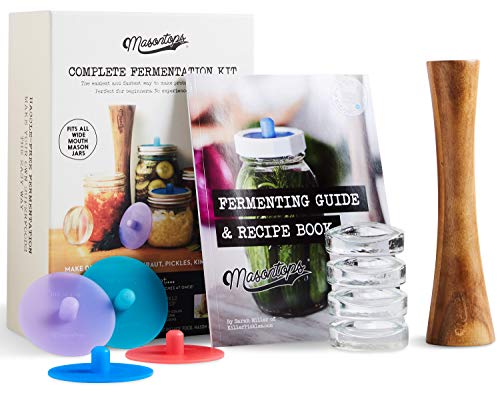
The Masontops Complete Kit at $38 provides a more comprehensive mason-jar fermentation system: multiple airlock lids, glass weights, and a tamper for running several batches simultaneously. At nearly double the Le Parfait's price, Masontops is the right choice for fermenters who want to rotate through multiple ferment types in wide-mouth jars with proper airlock management.
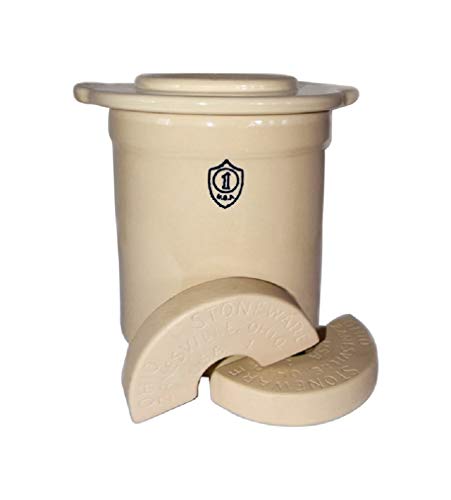
For fermenters who find themselves returning to the Le Parfait regularly and wanting to scale up, the Kenley Fermentation Crock 4L at $55 is the logical next step into stoneware. Four times the capacity, a genuine water-seal lid, and stoneware thermal stability — all for $35 more than the Le Parfait. The transition from Le Parfait glass to the Kenley stoneware is the natural progression from small-batch experimenter to regular household fermenter.
Our Verdict
The best glass vessel for kombucha and pickle brines. Not a dedicated fermentation crock, but the French provenance and wire bail seal make it exceptional for liquid ferments.
Le Parfait Super Jar 1L — French Glass Fermentation Jar with Wire Bail Closure
$20
Prices may change · Free shipping with Prime
| Full Specifications | |
|---|---|
| Vessel Type | Glass Vessel |
| Capacity | 1L |
| Material | Glass |
| Water-Seal Lid | No |
| Weights Included | No |
| Stamper Included | No |
| Dishwasher Safe | Yes |
| Lead-Free Glaze | Yes |
| Made In | France |
Frequently Asked Questions
How often do I need to burp a Le Parfait jar during active fermentation?
Can I use Le Parfait jars for water-bath canning in addition to fermentation?
Is the orange rubber gasket food-safe and acid-resistant?
What is the best type of ferment to make in a 1-liter Le Parfait jar?
Related Buying Guides
Compare With Similar Fermentation Crocks
Head-to-Head Comparisons
Le Parfait Super Jar 1L — French Glass Fermentation Jar with Wire Bail Closure
$20
Prices may change · Free shipping with Prime